Whale Biodiversity
Exploring cetacean diversity, ecological roles, and the relationship between whale distributions and ocean oxygen patterns
Whales as Ecosystem Engineers
The Whale Pump
Whales feed at depth and release nutrient-rich fecal plumes near the surface, fertilizing phytoplankton and stimulating primary productivity.
This vertical nutrient transport supports entire food webs and enhances carbon sequestration.
Migratory Connectors
Long-distance migrations transport nutrients and energy between polar feeding grounds and tropical breeding areas.
Whale migrations link geographically distant ecosystems across ocean basins.
Carbon Sequestration
Whale carcasses sink to the deep ocean, sequestering carbon for centuries. Living whales also store carbon in their biomass.
Historical whale populations stored millions of tons of carbon annually.
Species Profiles
Global Distribution Patterns
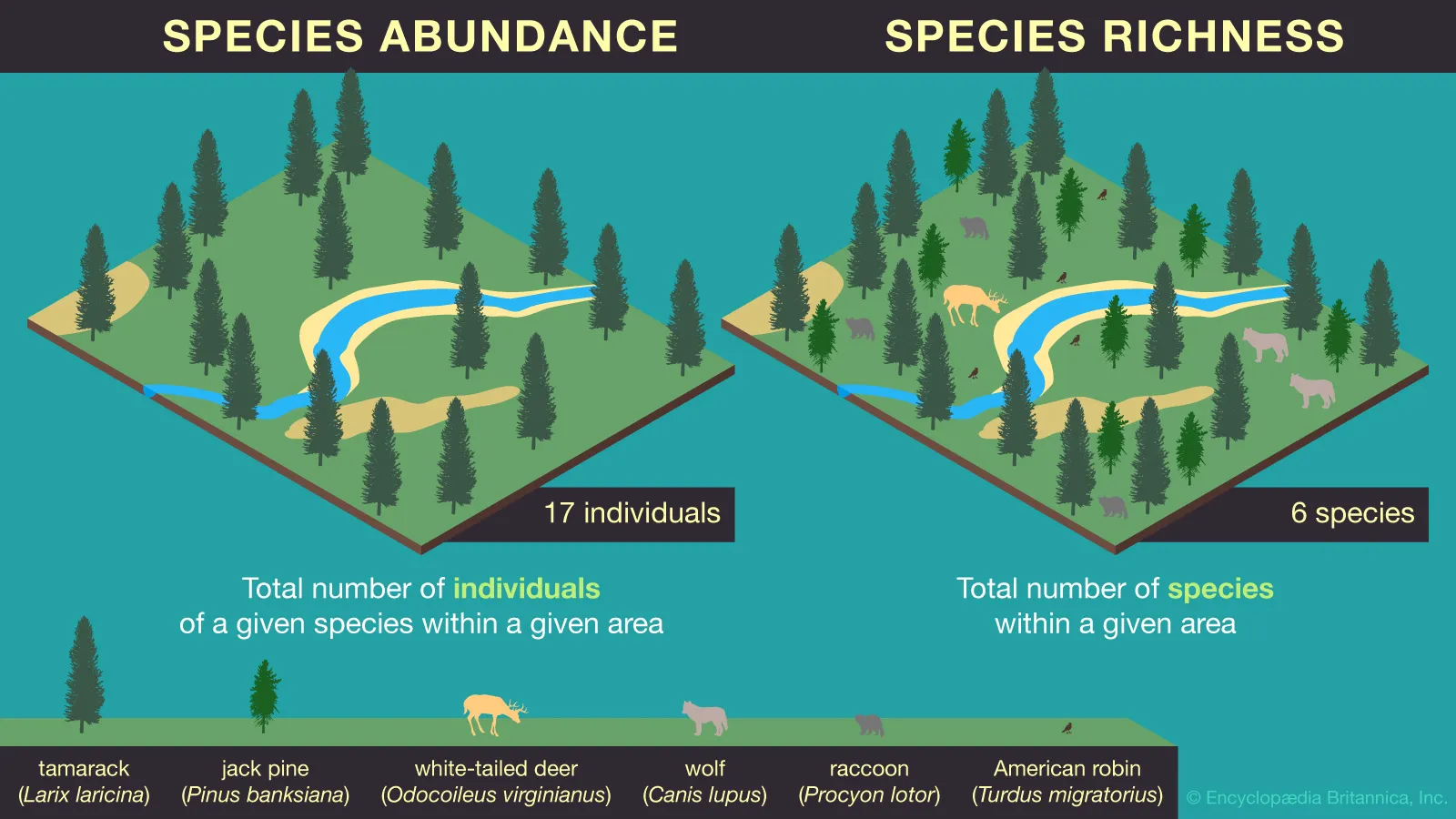
Marine Species Richness
Global patterns of marine biodiversity showing hotspots of species diversity
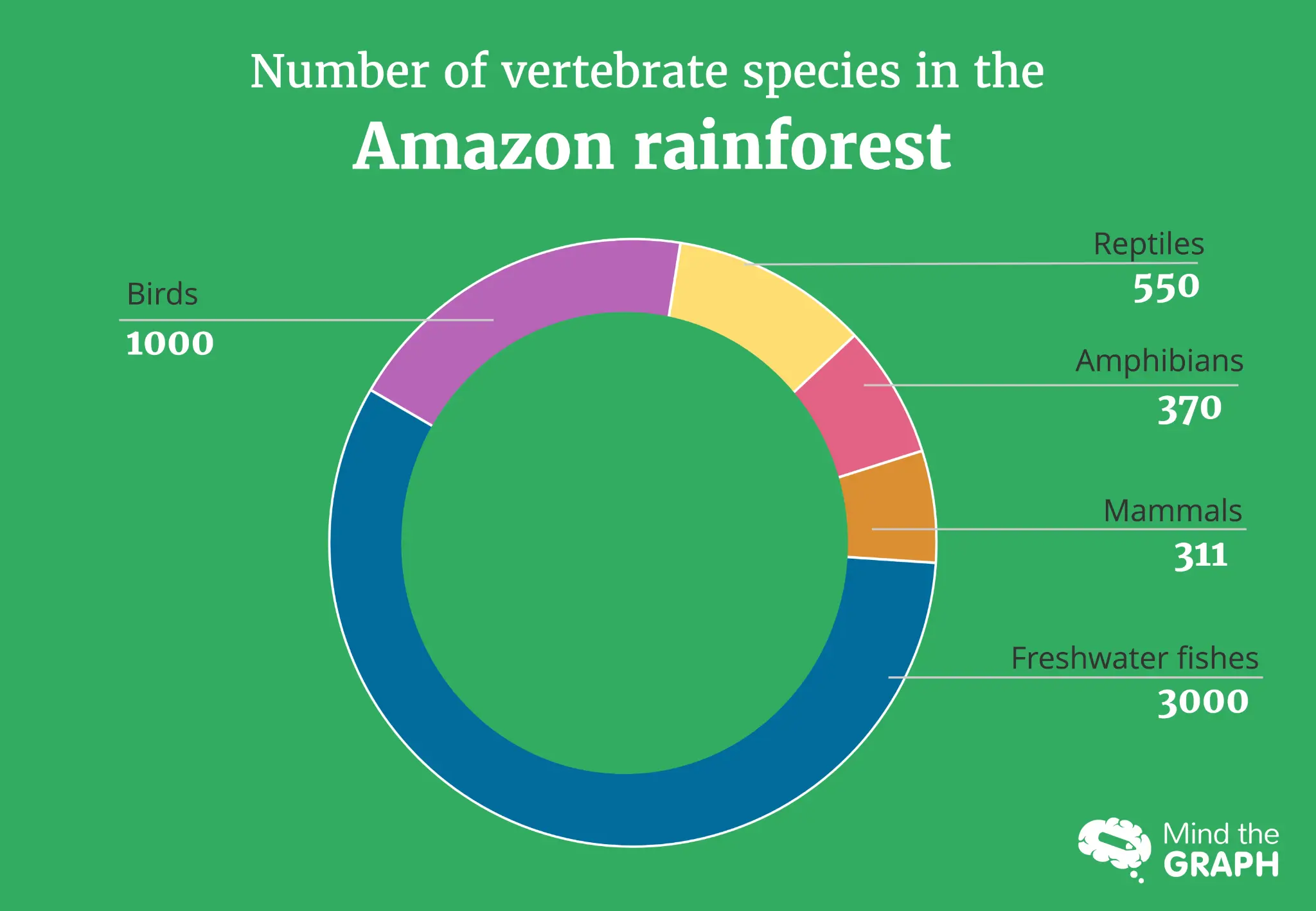
Regional Distribution Patterns
Detailed view of species richness variations across ocean regions
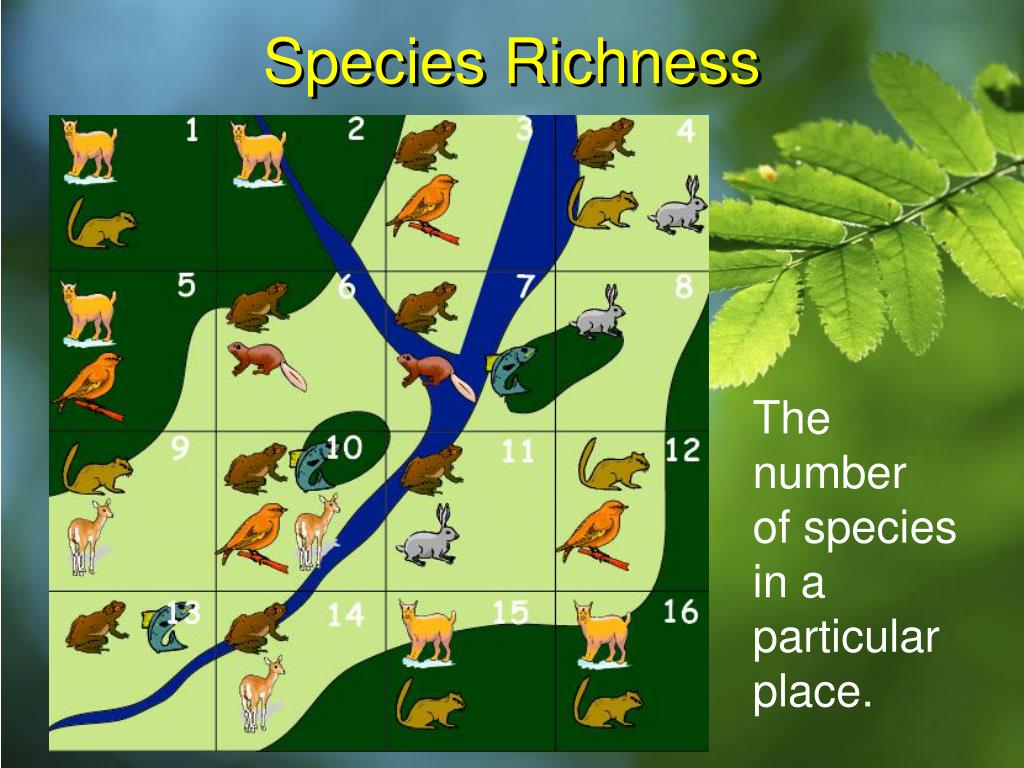
Latitudinal Biodiversity Gradients
Species diversity patterns from polar to tropical regions
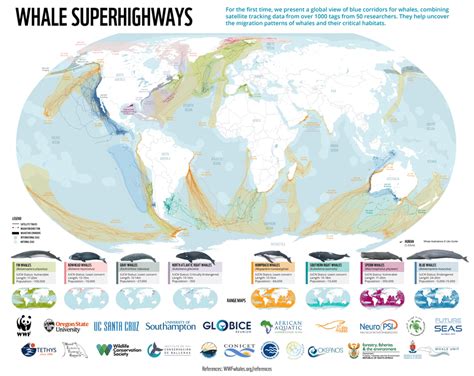
Whale Superhighways
Major migration corridors connecting feeding and breeding grounds
Supporting Marine Ecosystem

Plankton

Algae

Coral

Sharks