Understanding the Connection
Dissolved Oxygen
Ocean oxygen levels are declining globally due to warming and stratification, creating oxygen minimum zones (OMZs) that impact marine life distribution.
OMZ Expansion
Oxygen minimum zones are expanding as ocean temperatures rise, compressing habitats and altering the spatial distribution of marine species.
Whale Distribution
Whale species exhibit distinct oxygen requirements and diving behaviors, with their distributions closely tied to oxygen-rich productive waters.
Global Patterns
Species richness maps reveal strong correlations between whale diversity hotspots and regions of high dissolved oxygen and primary productivity.
Research Focus
Ocean Oxygenation Dynamics
The global ocean is experiencing widespread deoxygenation driven by anthropogenic climate change. Warming reduces oxygen solubility while strengthening stratification limits vertical mixing, leading to the expansion of oxygen minimum zones. These changes fundamentally alter marine ecosystem structure and function, with cascading effects on biodiversity patterns.
Whale Ecosystem Roles
Whales are not merely passive inhabitants of the ocean—they are ecosystem engineers. Through the "whale pump" mechanism, they transport nutrients vertically through fecal plumes, stimulating primary productivity. Their migrations connect distant ecosystems, and their historical depletion has fundamentally altered ocean biogeochemistry and carbon cycling.
Global Patterns Visualization
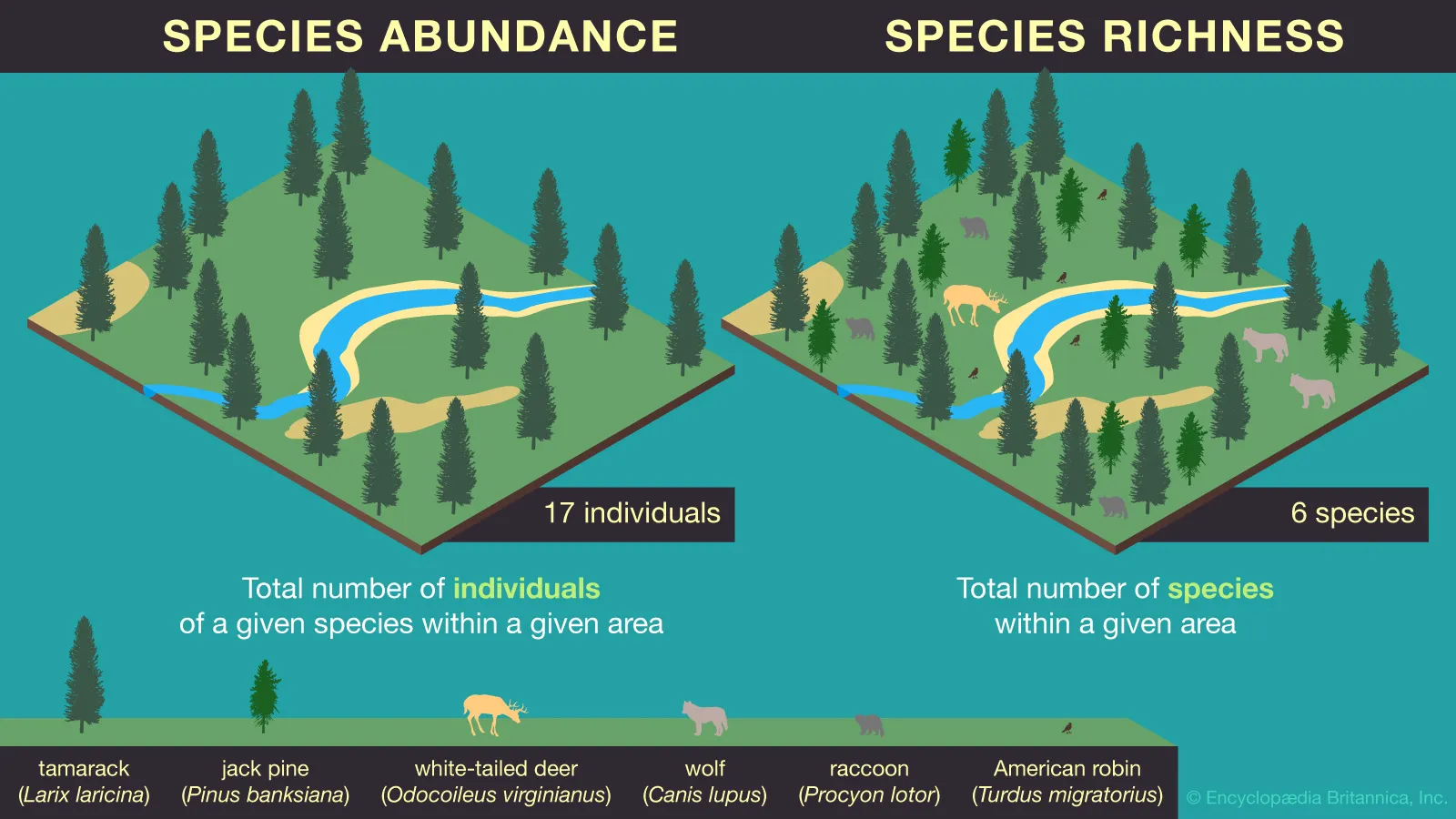
Species Richness
Global distribution of marine biodiversity hotspots
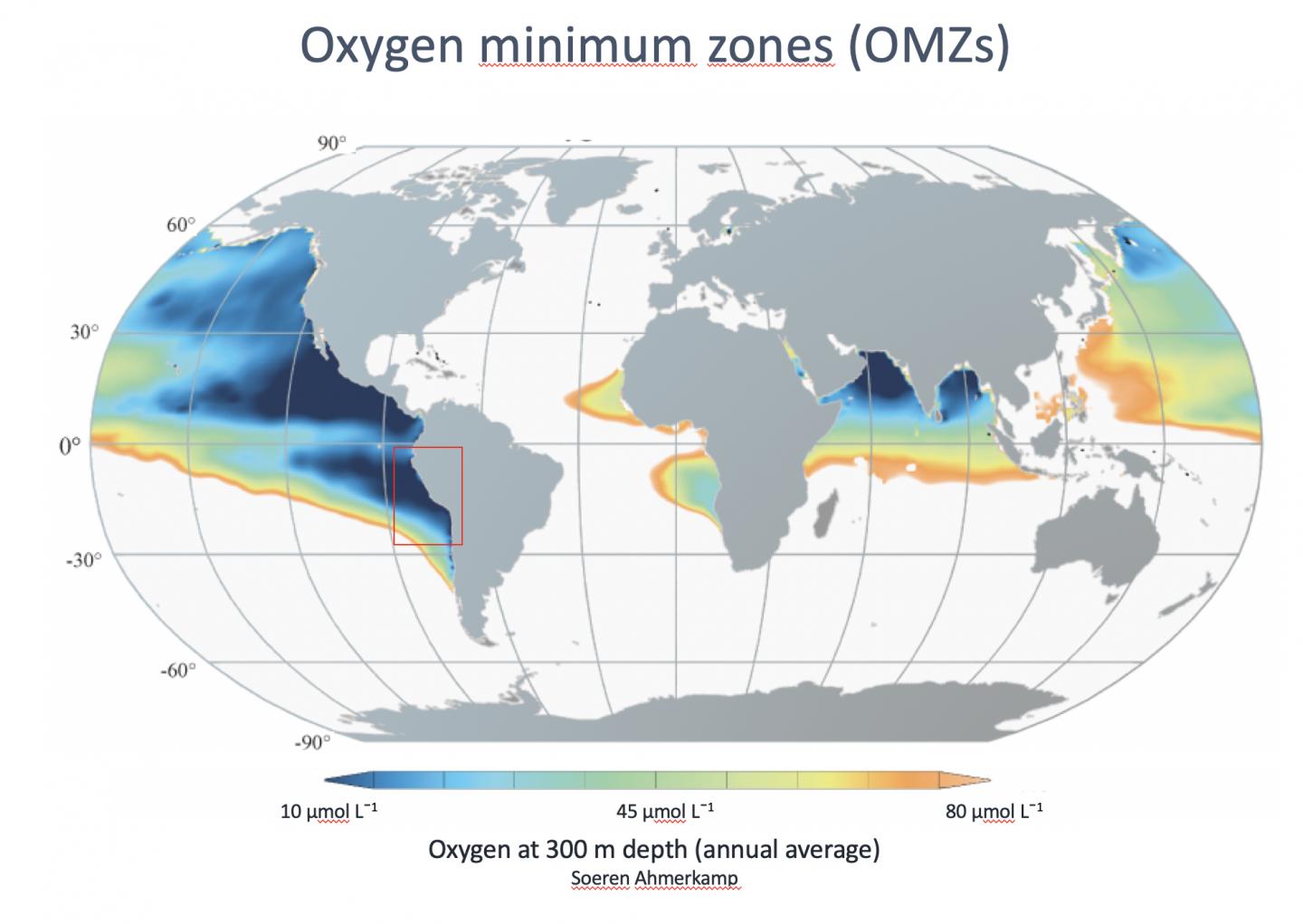
Oxygen Minimum Zones
Distribution and expansion of low-oxygen regions
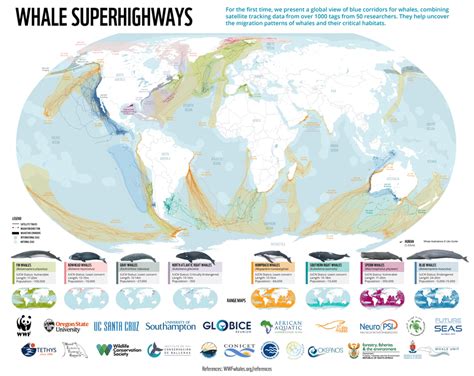
Whale Superhighways
Major migration corridors and feeding grounds